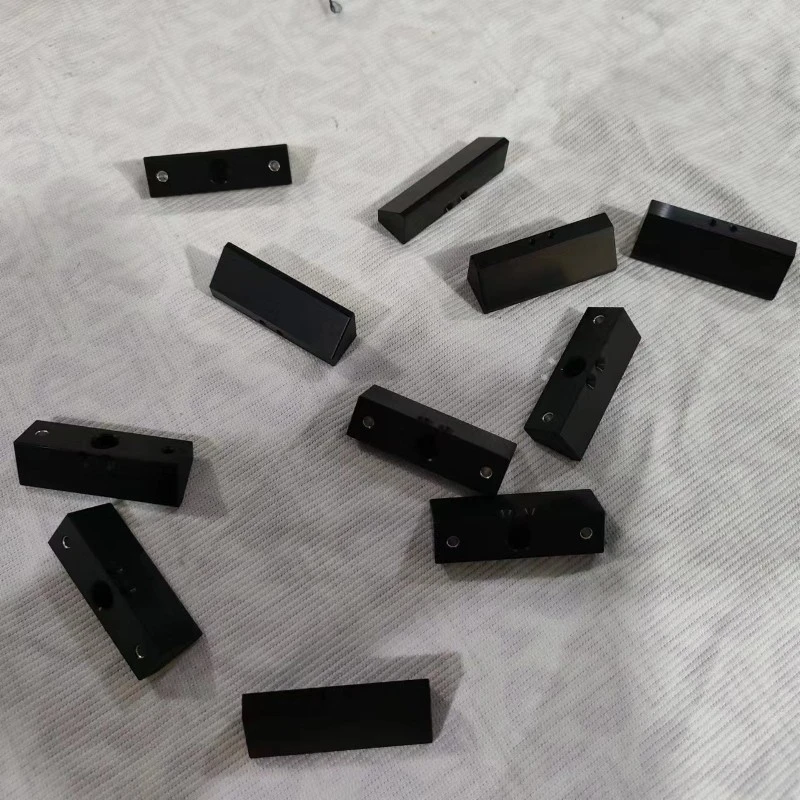
Mechanical customization processing refers to the process of producing personalized mechanical parts according to the specific requirements of customers. This process involves the use of advanced CNC machining equipment to create highly precise and detailed components that are specifically tailored to meet the needs of a particular application.
There are many different types of materials that can be used in mechanical customization processing. Some of the most common materials include aluminum, stainless steel, brass, copper, titanium, and various plastics. The material chosen for a particular project will depend on a number of factors, including the intended function of the part, the required strength and durability, the level of precision needed, and the budget.


Mechanical customization processing has a wide range of applications in many different industries. It is often used to produce high-quality components for products like medical equipment, aerospace components, automotive parts, and consumer electronics. Additionally, it is often used in prototyping and product development, in which small quantities of custom components are needed for testing and evaluation purposes.
One of the key advantages of mechanical customization processing is its ability to produce highly precise, complex components that cannot be easily produced using traditional manufacturing methods. CNC machining equipment is able to create intricate designs and detailed features with exceptional accuracy, allowing for unprecedented levels of precision and control in the manufacturing process.
Overall, mechanical customization processing offers a highly effective way to produce unique, high-quality components for a wide range of applications. By working closely with customers to understand their specific needs and requirements, manufacturers can use this process to create custom parts that are tailored to meet the exact needs of their clients.