
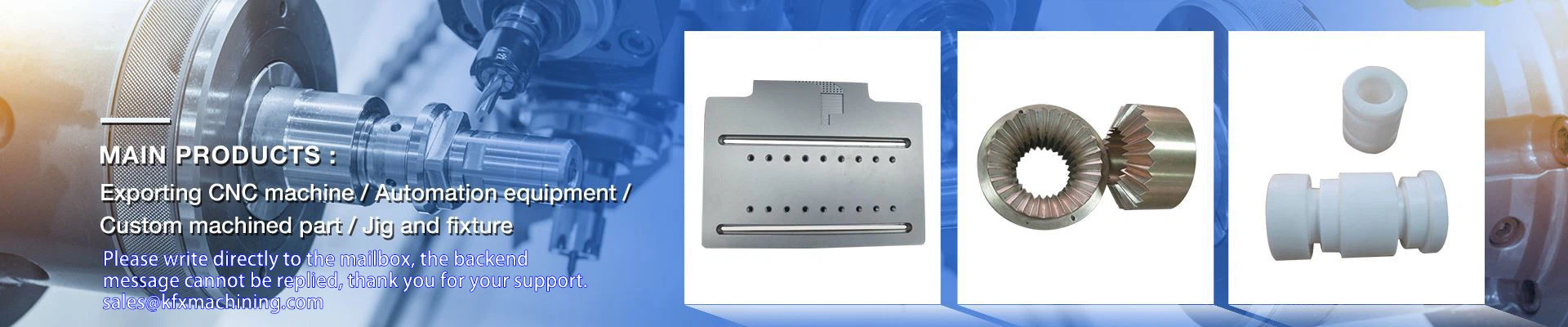
Car turning is the process of machining metals such as steel, aluminum, and brass into specific shapes and sizes using a lathe. The process involves rotating the workpiece against a cutting tool that removes material to create the desired shape. This process can produce a variety of shapes, including cylindrical, conical, and spherical.
Car turning has a number of advantages over other types of metal fabrication processes. For one, it is highly accurate and precise, allowing for tight tolerances and high-quality finishes. Additionally, it is a highly flexible process that can be used to produce a variety of shapes and sizes, making it ideal for custom orders or specialized products.
When it comes to choosing the right steel for car turning, there are a number of factors to consider. First, the steel should be machinable, meaning that it can be easily cut, shaped, and drilled without becoming damaged or distorted. Second, it should be strong and durable enough to hold up to the stresses and demands of the finished product. Finally, the steel should be cost-effective and readily available in the required quantities.
Some steel grades that are commonly used in car turning include 1018 carbon steel, 304 stainless steel, and 6061 aluminum. Each of these materials has its own unique properties and advantages that make it ideal for different applications.
In conclusion, car turning is a highly versatile and effective process for producing precision metal components. It offers a range of benefits, including accuracy, flexibility, and quality, and is well-suited to a variety of different types of steel. For those looking to produce high-quality metal products, car turning is an excellent choice.


