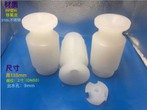
CNC turning, also known as lathe machining, is a fundamental machining process in the electronics industry. This process involves spinning a workpiece while a cutting tool moves along a single axis to remove material and shape the part. The precision of CNC turning allows for highly accurate and repeatable parts, which is essential in electronics manufacturing.
There are many different components in electronic devices that require CNC turning, such as connectors, housings, and heat sinks. Connectors, for example, require precise threads and specifications for proper mating, and CNC turning is able to achieve these tight tolerances. Housings and enclosures need to be accurately sized to fit all of the internal components, and CNC turning can ensure that each part is the correct size and shape. Heat sinks are also important components that require CNC turning to create their complex and intricate designs, which are essential for dissipating heat from electronic components.

One important advantage of CNC turning in the electronics industry is its ability to produce parts in large quantities with consistent accuracy. This is essential for manufacturers who need to produce many identical parts quickly and efficiently. CNC turning can also produce complex parts that would be difficult or impossible to make with other machining methods. Another advantage is the ability to create prototypes quickly and easily, allowing engineers to test and refine their designs before committing to mass production.
In addition to these advantages, CNC turning is also a cost-effective solution for electronics manufacturers. Because the process is automated, it reduces the need for manual labor and increases production efficiency. This is especially important for high-volume production runs, where the cost savings can be significant.
In conclusion, CNC turning is an essential and widely-used process in the electronics industry. Its ability to produce precise and complex parts quickly and efficiently is invaluable to manufacturers. As technology continues to evolve, CNC turning will remain a vital component of the electronics manufacturing process, helping to drive innovation and new product development.